
guide
Stop Brainstorming: Why the Best Ad Ideas Now Come From 5-Second Signals, Not Big Meetings
July 22, 2026 · 6 min read · Scout7
Manual brainstorms are too slow for modern ads. This guide shows how small teams can generate ad ideas fast, hook attention, and scale creative with AI.
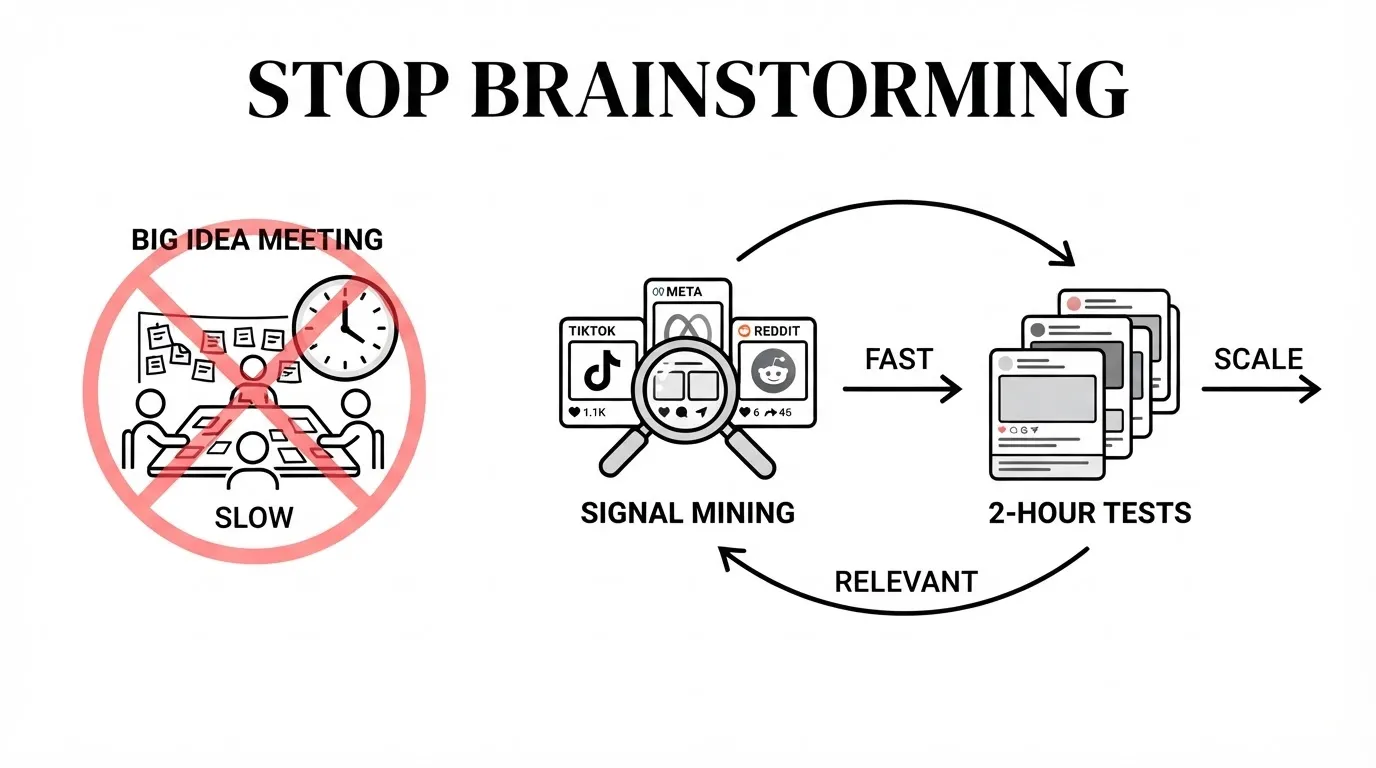
You book the brainstorm, fill a virtual whiteboard, debate headlines, wait for approval, and finally launch after the trend is gone. The best adverts ideas now come from live audience signals, not big meetings, because speed and relevance beat originality without timing.
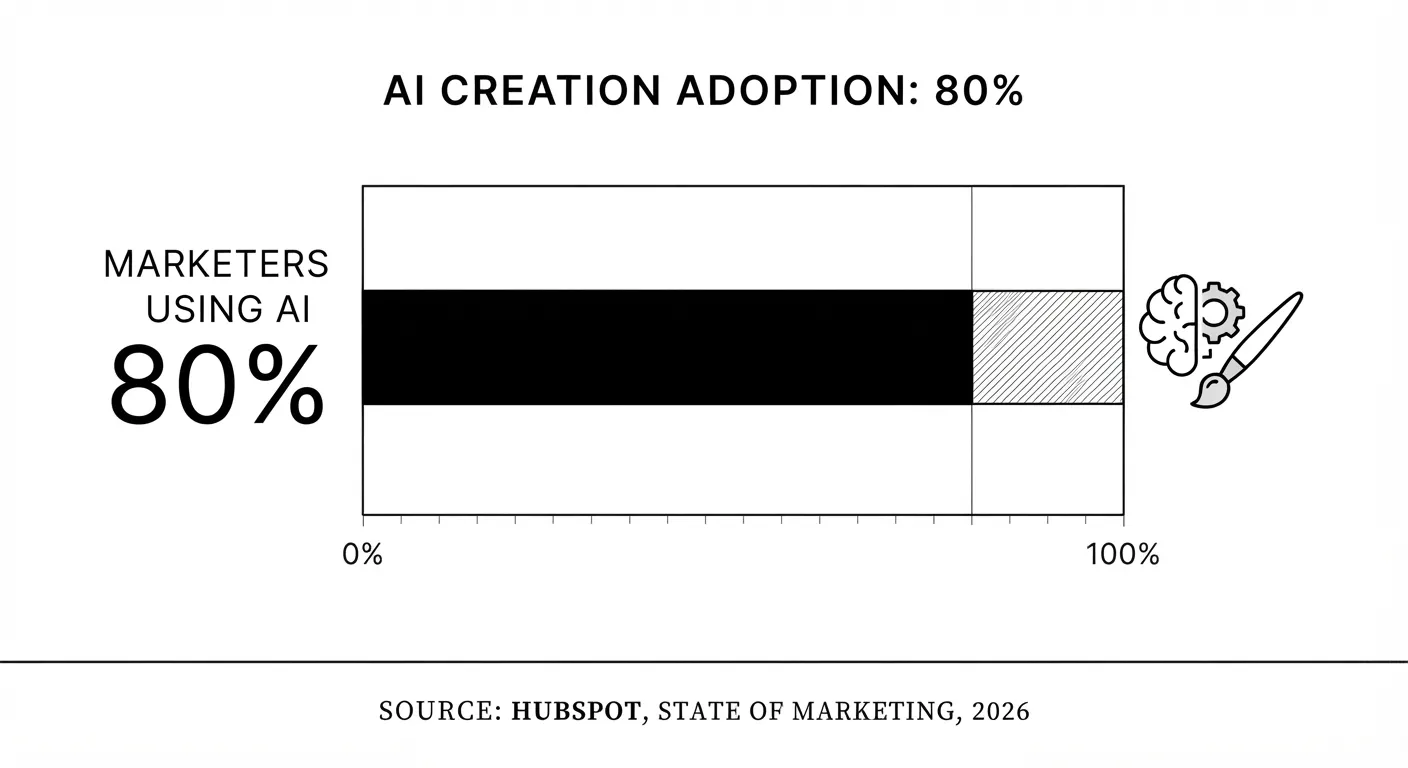
That shift is already visible in the data. According to HubSpot State of Marketing, 8 in 10 marketers (80%) now use AI for content creation, while Adobe's Digital Trends Consumer Report says nearly 7 in 10 consumers (69%) give brands five seconds or less to earn attention.
The old workflow breaks for simple reasons:
- Meetings slow response time when channels move hourly
- Internal opinions distort demand when real signals sit in public
- Cheap AI output changed the game by removing production as the main constraint
- Testing speed now decides winners more than presentation quality
The modern creative advantage is not better brainstorming. It is faster signal recognition.
The Death of the Big-Idea Brainstorm
The manual brainstorm is not inefficient because teams lack talent. It fails because the market now rewards teams that spot patterns fast, not teams that polish a big reveal.
A few quarters ago, a small growth team spent days debating campaign concepts for a product launch, only to watch a simpler competitor angle flood feeds first. The lesson was brutal: the problem was never a shortage of ideas, and HubSpot State of Marketing backs that up with 8 in 10 marketers (80%) already using AI for content creation.
What that means in practice:
- AI made output cheap so ideation no longer needs a room full of people
- Meetings became dead weight when copy, images, and scripts generate in minutes
- Research should come first because audience language is now visible in public channels
- Pattern recognition matters more than internal creative theater
- Production comes last once the signal is strong enough to test
That is the hard truth. Most teams do not have an idea problem anymore. They have a lag problem.
Capturing Attention in Under Five Seconds
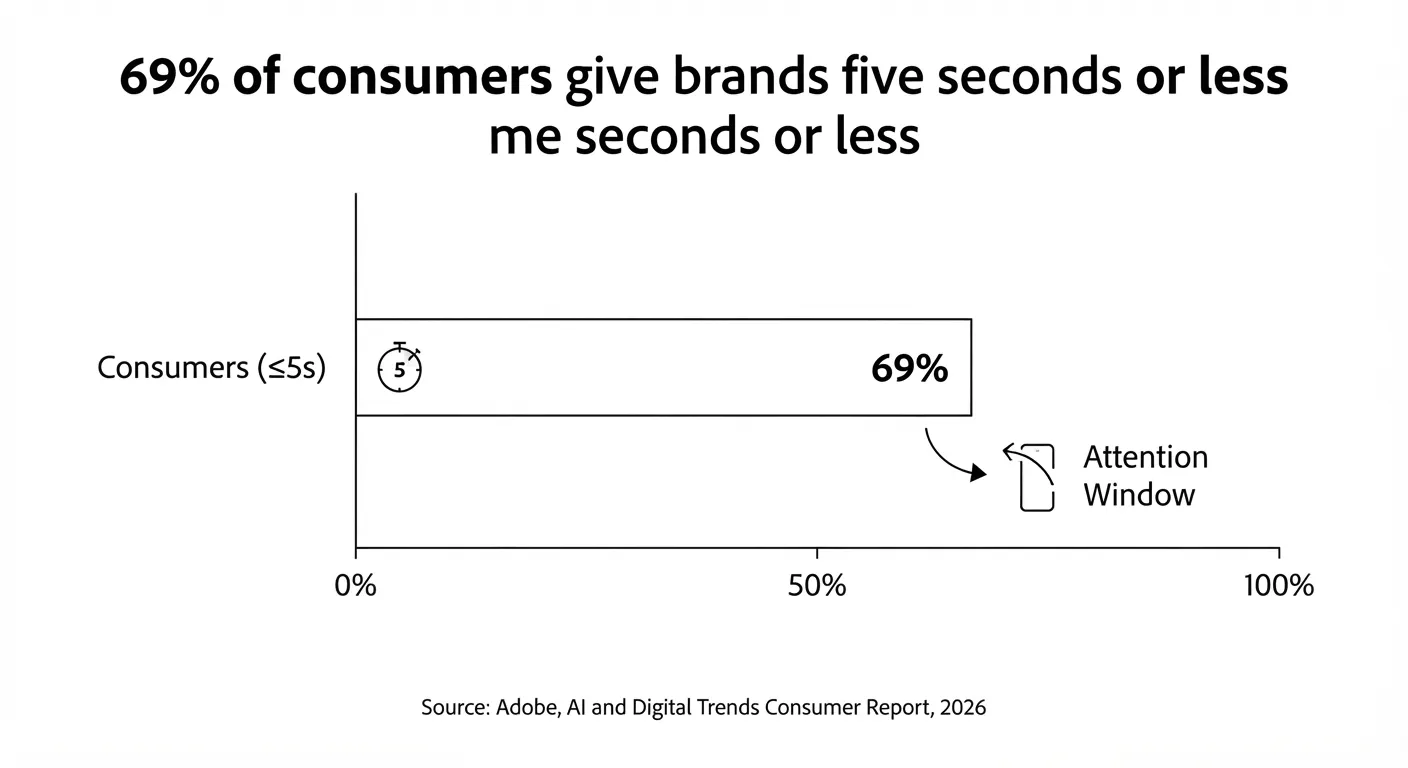
If your ad does not communicate almost instantly, it loses. According to Adobe's Digital Trends Consumer Report, nearly 7 in 10 consumers (69%) say brands have five seconds or less to capture attention.
That stat should reshape how teams build ad ideas. The first frame has to carry tension, specificity, or payoff before the viewer decides to scroll.
Use hooks like these:
- Lead with the problem instead of a slow brand setup
- Show visual contrast so the difference reads without sound
- Make blunt claims that promise a clear outcome fast
- Use founder specificity with concrete pain points and real numbers
- Add social proof early through reviews, customer counts, or outcomes
Clever campaigns lose when the opening frame hides the point.
A five-second hook is not a creative limit. It is a clarity test.
The 2026 Ad Ideas Roster: Where to Look
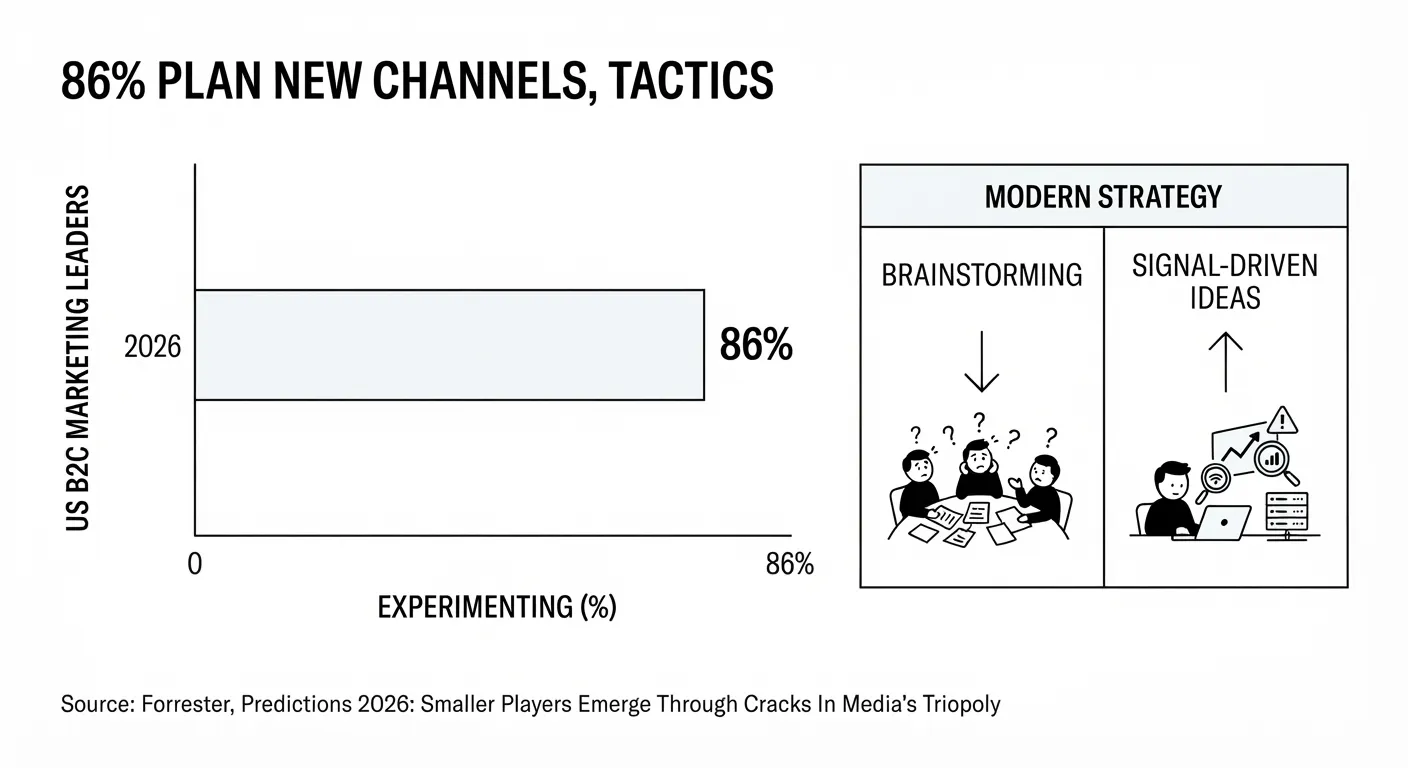
The fastest way to generate adverts ideas is to study what audiences already react to in public. According to Forrester's 2026 prediction on smaller players and media experimentation, about 9 in 10 US B2C marketing executives (86%) plan to experiment with new channels and tactics in 2026.
That rising experimentation means signals are everywhere if you know where to look.
Start with live sources:
- TikTok Creative Center for recurring hooks, edits, and visual patterns
- Meta Ad Library for active offers, claims, and angle repetition
- Reddit threads for raw objections, buying anxiety, and language
- Niche SaaS forums for use cases customers explain in plain words
- Comments and reviews for emotional triggers internal teams often miss
Look for patterns, not isolated posts:
- Repeated objections reveal conversion blockers
- Recurring claims signal angles competitors keep funding
- Common formats show what audiences can process quickly
- High-intent phrases become stronger inputs for AI marketing strategy
The best ad ideas are usually already hiding in public. Your job is to notice them faster.
Scaling Creative Without Adding Headcount
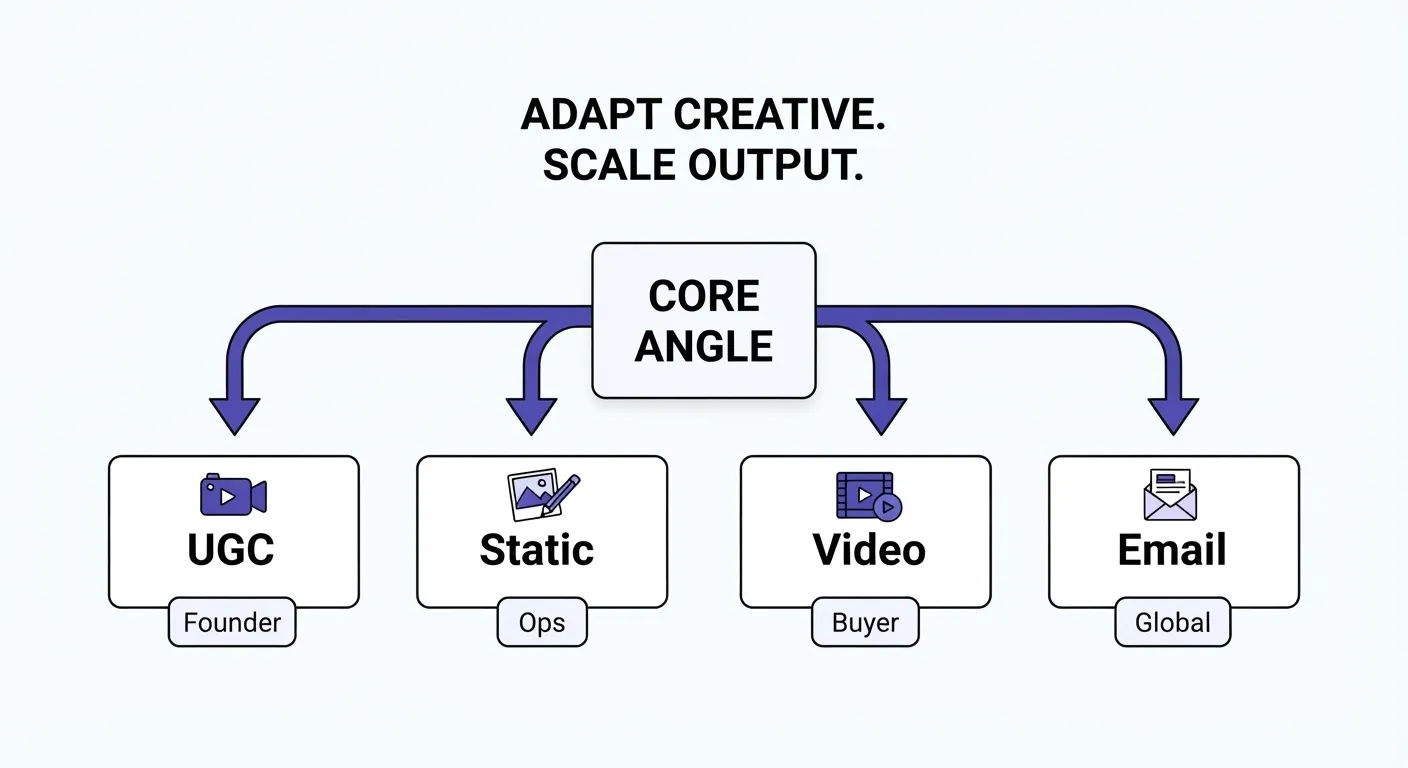
Small teams do not need more headcount to scale. They need a system that turns one strong angle into many relevant variants.
That matters because Salesforce State of Marketing 2026 reports more than 8 in 10 marketers (84%) still run generic campaigns even as personalization expectations rise. AI helps, but only if it expands relevance instead of flooding channels with lookalike assets.
A better workflow looks like this:
- Start with one proven angle tied to a real audience pain point
- Create audience variants by role, maturity, budget, or use case
- Adapt by channel so the same idea fits TikTok, Meta, search, and email
- Localize language without flattening the original hook
- Keep brand voice fixed while changing examples, proof, and framing
AI should multiply fit, not just volume.
This is where a strong AI marketing strategy becomes practical. It lets lean teams produce more versions without becoming more generic.
Testing Loops Are the Real Moat
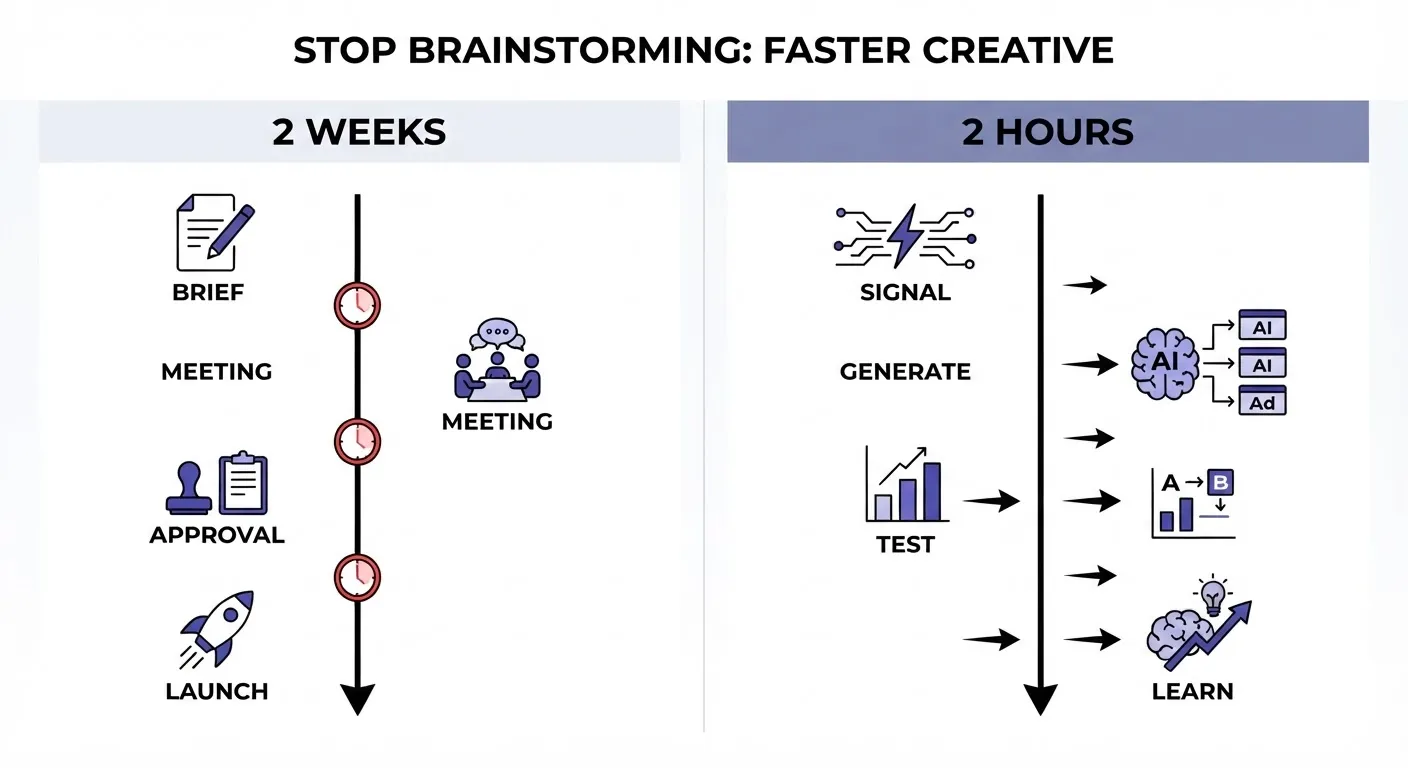
The real moat is not concept quality alone. It is how quickly your team can move from signal to live test.
Research from Adobe's report on impact in an era of speed shows more than 8 in 10 marketing teams missed an opportunity in the last quarter because they could not respond in time. That gap explains why polished planning often loses to fast execution.
To tighten the loop:
- Move from two-week approvals to same-day launch decisions
- Test hooks first before polishing full campaign systems
- Judge relevance and speed together because fast generic work still wastes spend
- Feed winners back into production to generate the next variant set
- Use losses as signals instead of treating them as creative failures
The best teams now operate like this: research in the morning, launch by afternoon, learn by tomorrow.
Your New Ad Workflow Starts With Signals
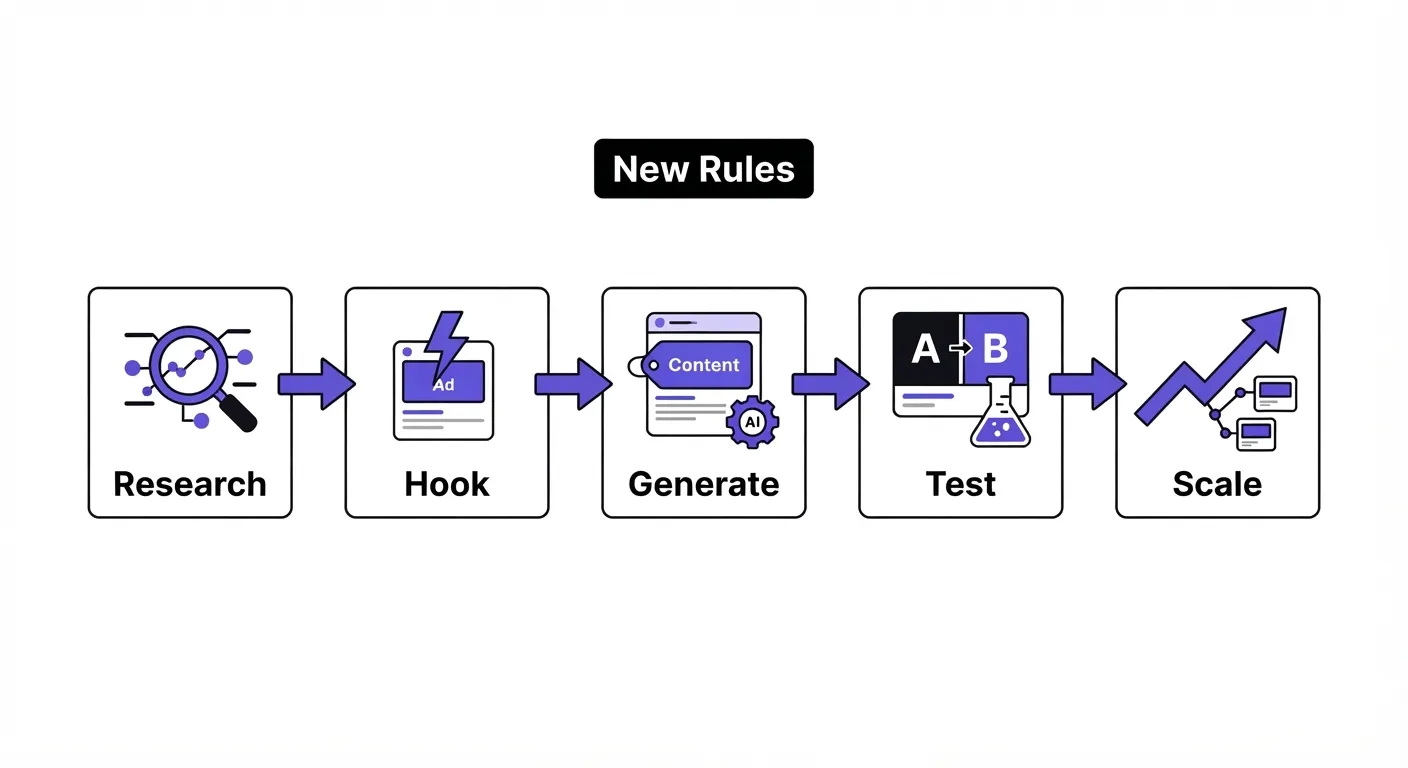
The big idea is not dead because creativity stopped mattering. It is dead because waiting for it became too expensive.
The better system is simple, repeatable, and hard to beat once it becomes habit:
- Pull live signals first from public channels and customer language
- Turn those signals into hooks that land in under five seconds
- Use AI to build variants by audience, format, and channel
- Launch small tests quickly instead of protecting big campaign reveals
- Repeat the loop weekly so performance data sharpens the next round
For teams using Scout7, this is the operational shift that matters most. Research-backed inputs, ready-in-minutes production, and faster testing loops make better ad ideas possible without relying on another long brainstorm.