
blog
Stop Chasing Bigger Models: The Inference Cost Problem That Will Decide the Agentic Era
July 22, 2026 · 5 min read · Scout7
AI winners won't be the teams with the biggest models. They'll be the ones that master AI inference costs and build for agentic computing.
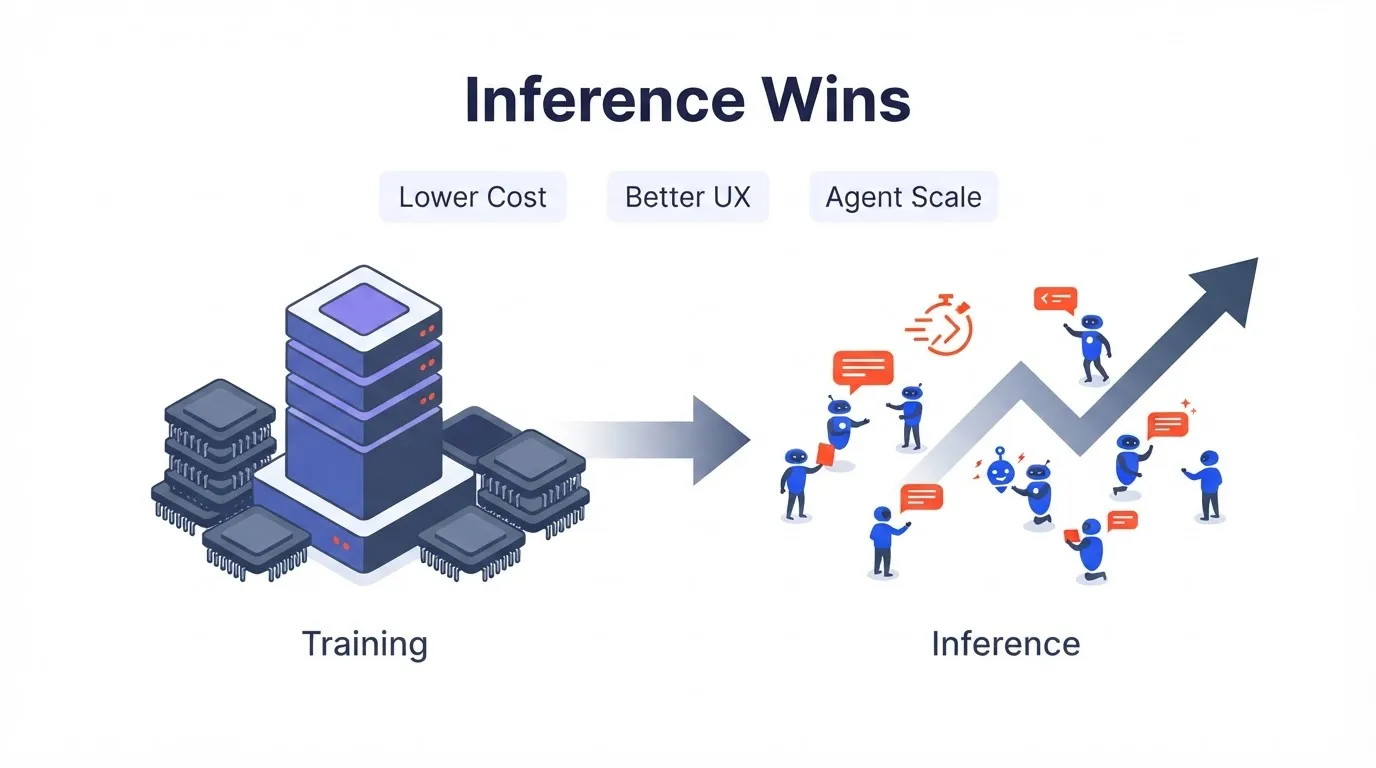
Your AI demo looked brilliant in a single prompt. Then the real workflow hit: multiple steps, repeated calls, tool use, memory, retries, and suddenly latency climbed while spend spiked.
AI inference costs now matter more than model size because agentic computing turns one prompt into many decisions, actions, and model calls. In practice, the teams that win will be the ones that run AI reliably, quickly, and affordably at scale.
That shift is already visible in the market. The conversation is moving away from who trained the biggest model and toward who can operate AI systems efficiently in production.
- Single-prompt AI is not the benchmark anymore for real business performance
- Agentic systems multiply usage across workflows, channels, and customer interactions
- Inference becomes the bottleneck when agents run continuously, not occasionally
- Operational discipline now matters as much as model intelligence
Beyond the Training Hype
The biggest change in AI is not just smarter models. It is that value now shows up when an AI system can plan, decide, and execute work across multiple steps.
That is what agentic computing means in practice: systems that do more than answer. They reason through tasks, call tools, and complete workflows.
- Agentic computing extends beyond chat into planning, routing, and execution
- Business value appears at inference time when the system actually performs the task
- Operational AI beats experimental AI when workflows must run repeatedly and reliably
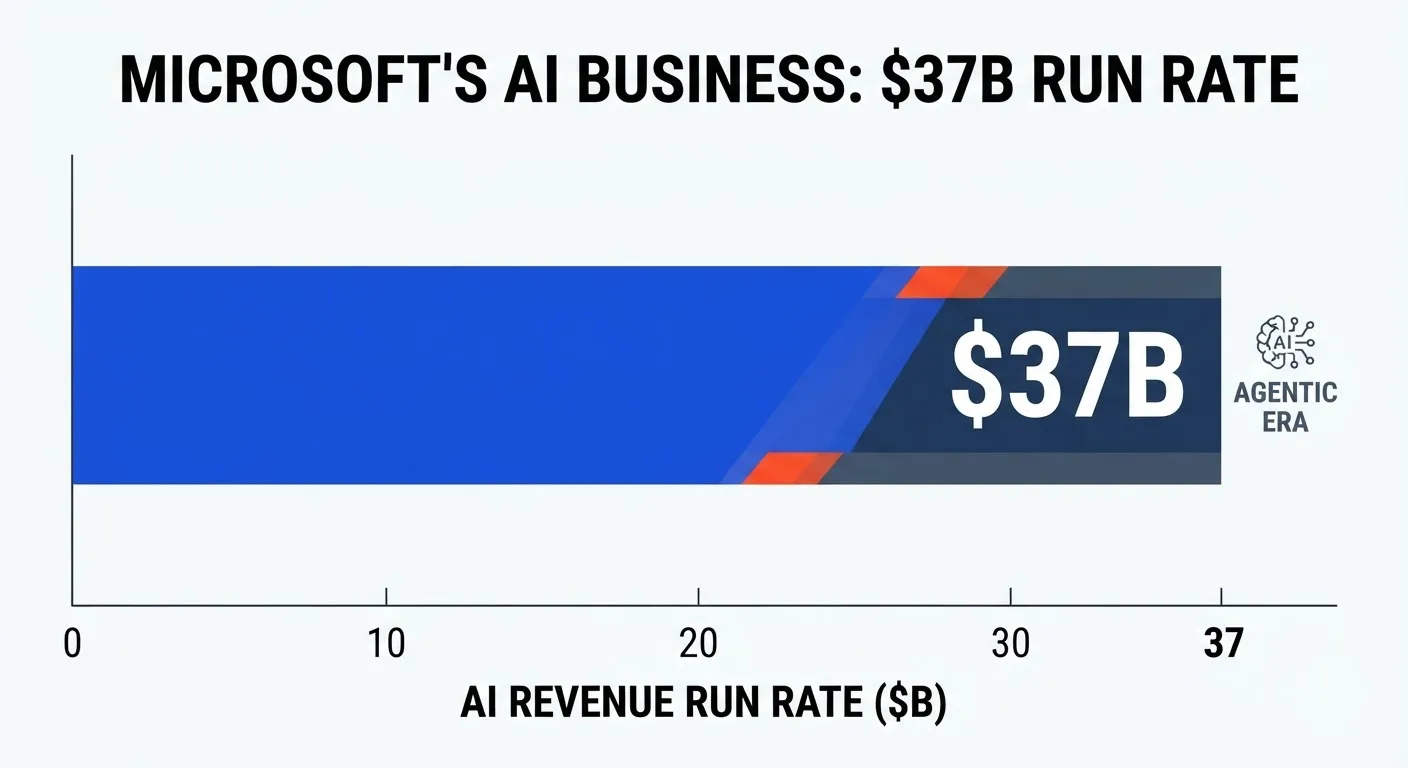
Microsoft made the market signal hard to ignore. In its April 2026 results, Microsoft said its AI business surpassed a $37 billion annual revenue run rate, and explicitly tied that momentum to the “agentic computing era.”
The market is already rewarding teams that can deploy AI into real work, not just train bigger systems.
Why Inference Economics Matter Now
Inference used to sound like the boring part of AI. Now it is becoming the expensive part.
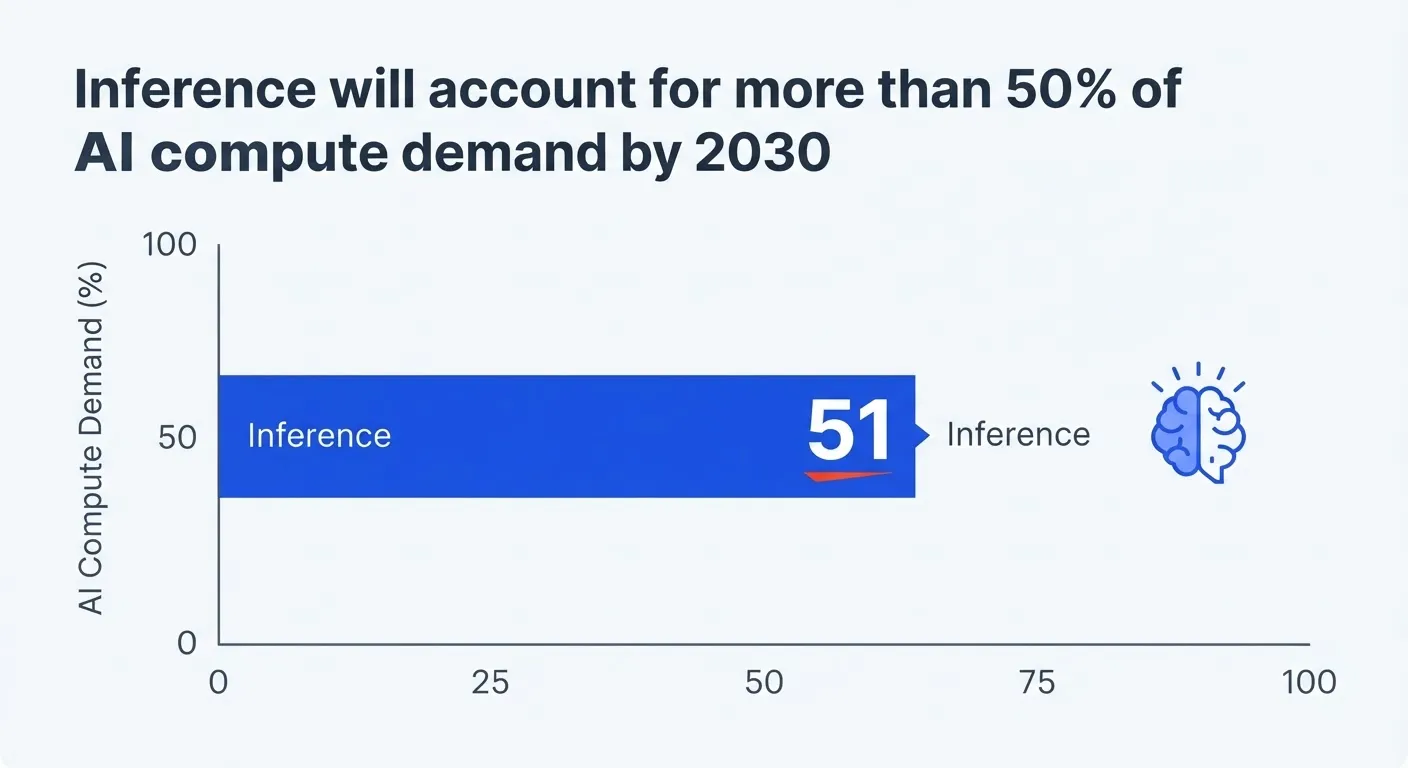
According to McKinsey, more than half of AI compute demand by 2030 is expected to come from inference rather than training. That changes where leaders should focus their budgets.
- Training is episodic while inference runs every day across live workflows
- Agentic computing increases call volume because tasks require multiple model interactions
- Serving models at scale becomes the cost center once usage spreads across teams and products
- AI inference costs shape margins just like cloud, uptime, and bandwidth already do
For Scout7’s audience, that matters directly. If AI touches campaign creation, research, ad workflows, and content operations, the economics of serving those experiences determines whether the product scales profitably.
The Agentic Computing Playbook
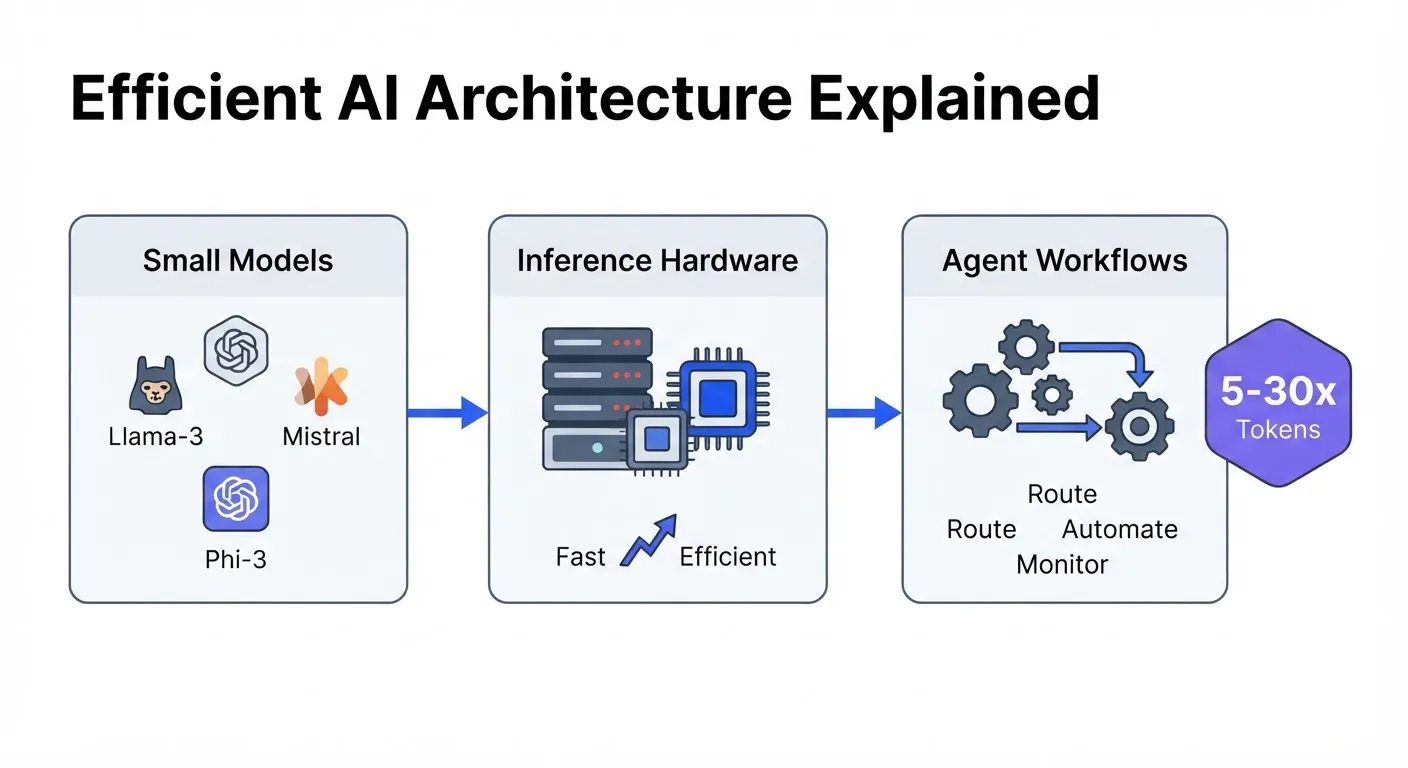
We have seen the same pattern up close: the brute-force approach looks powerful in a benchmark, then breaks down in production. Smaller models paired with the right inference hardware often create a faster, smoother user experience while keeping costs under control.
That is not a theory. It is the practical lesson teams run into once agents start chaining tasks together.
- Small AI models can be faster on narrow, repeatable jobs with clear constraints
- Task-specific routing improves quality by matching model size to the actual work
- Lower latency improves user trust because agents feel responsive, not fragile
- Cost control improves product viability when usage expands across customers and channels
The cost pressure gets worse with agents. Gartner predicts agentic models can require 5 to 30 times more tokens per task than a standard GenAI chatbot.
That aligns with what we have seen firsthand: once an agent starts planning, checking, rewriting, calling tools, and looping, token use rises fast. Gartner’s signal helps explain why small AI models and tighter orchestration often outperform one oversized model on both user experience and spend.
Building for the Future of Compute
If AI is becoming infrastructure, teams need to design for efficiency with the same discipline they apply to reliability and latency.
That means hardware now matters again. It is no longer enough to pick a model and hope the economics work out.
- Inference hardware is a strategic lever for price-performance at scale
- Routing logic matters because not every task needs the biggest model available
- Orchestration defines efficiency across tools, retries, and multi-step execution
- Performance per dollar becomes a product metric not just an engineering metric
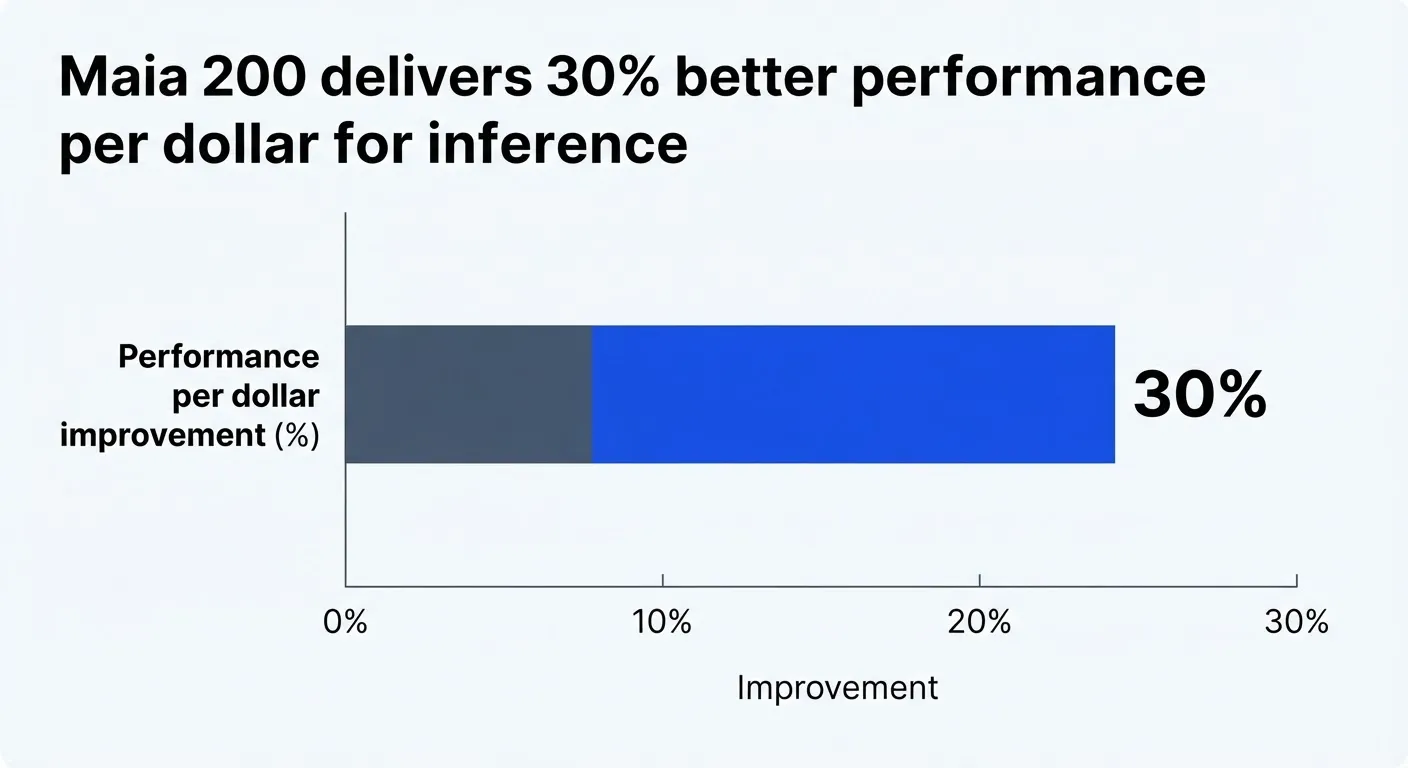
Microsoft’s January 2026 announcement on Maia 200 showed what this looks like at the infrastructure layer. Microsoft said the inference system delivers 30% better performance per dollar, a reminder that AI advantage increasingly comes from the full stack, not the model alone.
In the next phase of AI, hardware choices and workload design will shape competitive advantage as much as model selection.
The Teams That Win Will Treat AI Like Infrastructure
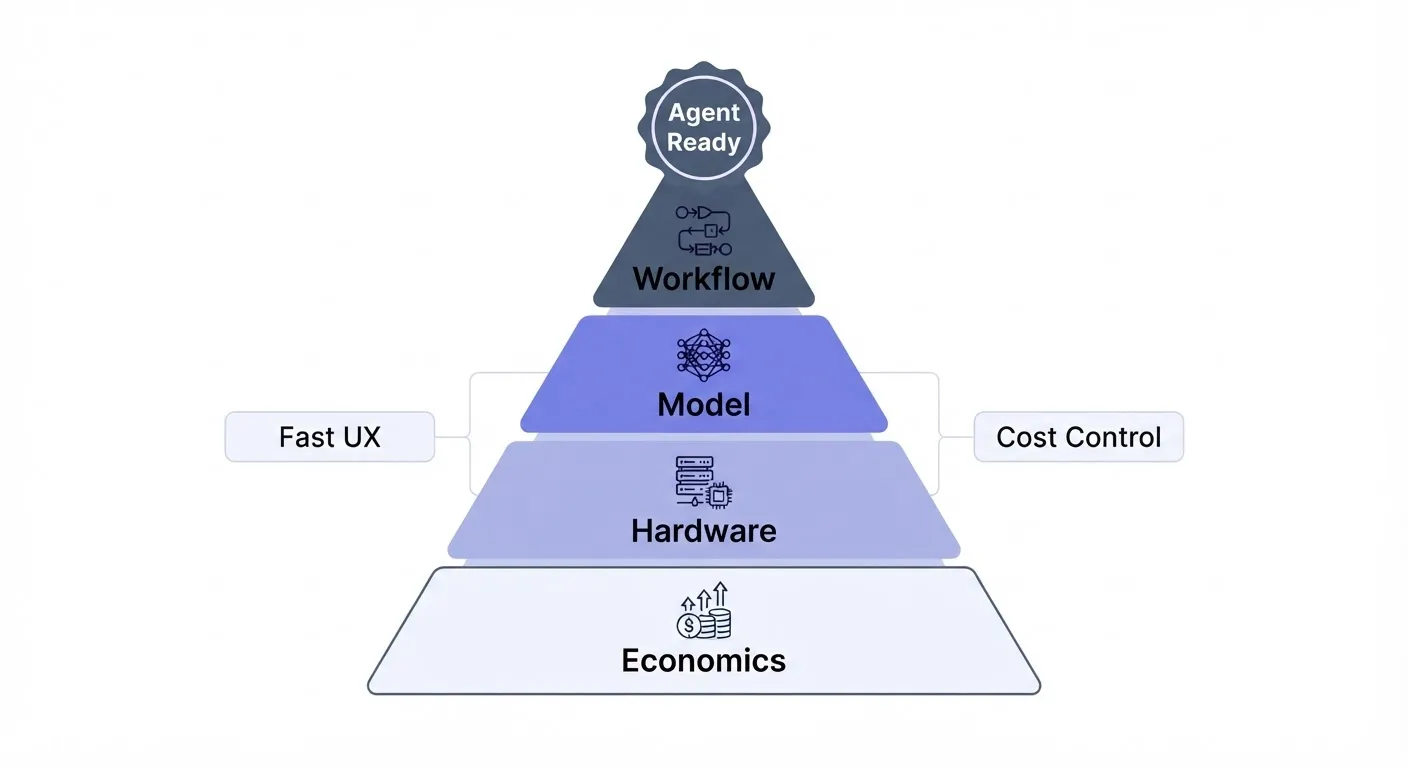
The next divide will not be between companies that use AI and companies that do not. It will be between teams that can afford to run agentic systems well and teams that cannot.
If leaders still treat AI as a lightweight productivity feature, they will miss the real shift. Agentic computing behaves like infrastructure: always on, cost-sensitive, latency-sensitive, and deeply tied to business outcomes.
- Budget for inference explicitly instead of hiding it inside experimentation spend
- Design for latency and reliability because agent quality depends on execution, not just intelligence
- Use smaller models by default and escalate only when tasks truly require more reasoning
- Invest in routing and hardware to improve performance without exploding cost
- Measure price-performance continuously as usage expands across the business
The winning playbook is simple to say and harder to execute: efficient systems beat oversized systems when agents move from demo to core operations.
References
- Microsoft, “Microsoft Cloud and AI strength fuels third quarter results” — https://news.microsoft.com/source/2026/04/29/microsoft-cloud-and-ai-strength-fuels-third-quarter-results/
- McKinsey, “The future of AI workloads” — https://www.mckinsey.com/featured-insights/week-in-charts/the-future-of-ai-workloads
- Microsoft, “Maia 200: The AI accelerator built for inference” — https://blogs.microsoft.com/blog/2026/01/26/maia-200-the-ai-accelerator-built-for-inference/
- Gartner, “Gartner Predicts That by 2030, Performing Inference on an LLM With 1 Trillion Parameters Will Cost GenAI Providers Over 90 Percent Less Than in 2025” — https://www.gartner.com/en/newsroom/press-releases/2026-03-25-gartner-predicts-that-by-2030-performing-inference-on-an-llm-with-1-trillion-parameters-will-cost-genai-providers-over-90-percent-less-than-in-2025