
guide
Stop Buying More Tools: The 49% Utilization Problem Killing Marketing Speed
July 22, 2026 · 7 min read · Scout7
Most small teams don’t have a budget problem—they have a stack sprawl problem. Here’s why consolidation is the path to faster execution and better ROI.
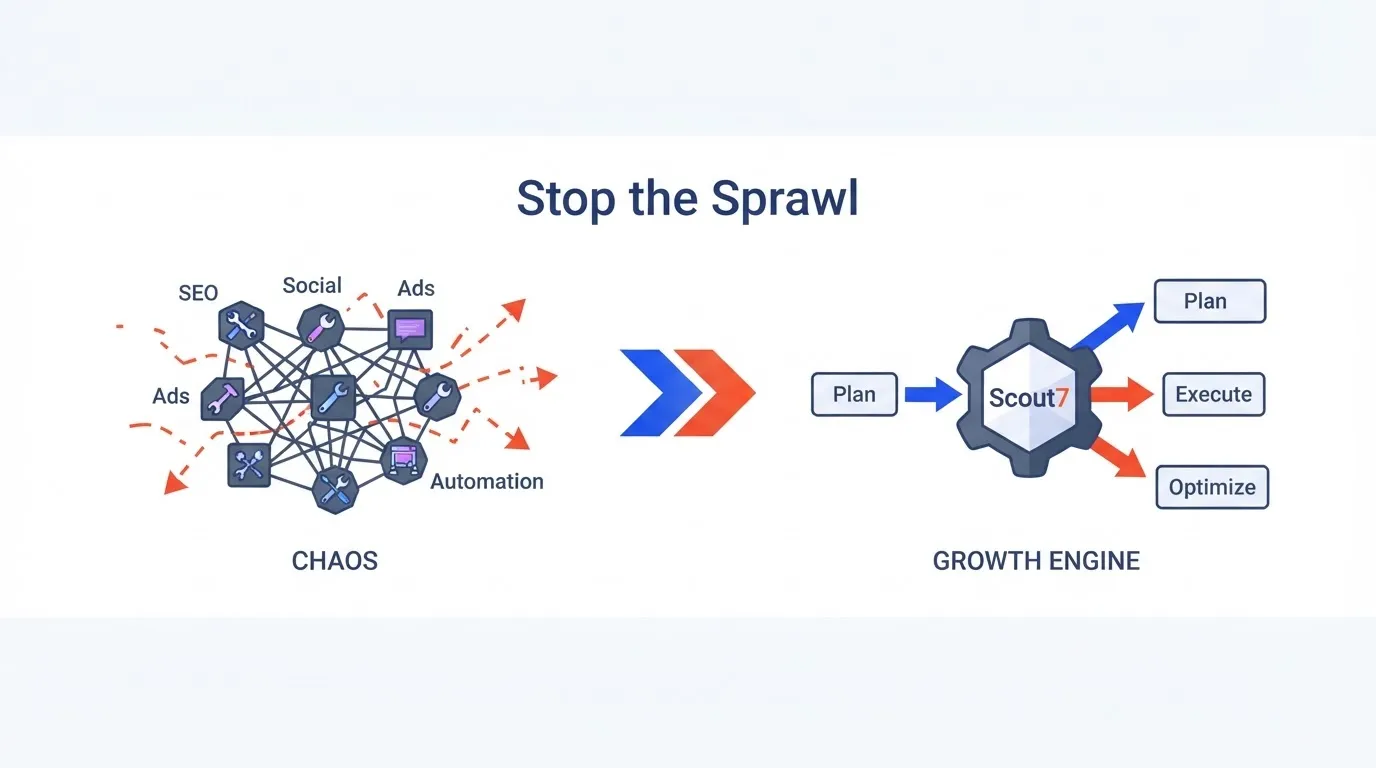
Your team has tabs open for SEMrush, SproutSocial, Madgicx, Buffer, ChatGPT, Gemini, and Claude, yet the campaign still ships late. The problem is not usually budget. It is speed lost inside disconnected tools.
For most lean teams, an all in one marketing platform is becoming necessary because fragmented systems slow planning, creation, publishing, and reporting. According to Gartner’s marketing technology research, martech already absorbs a major share of spend, while only a fraction of capability gets fully used.
This matters more now because AI does not fix broken workflows. It magnifies them.
- Too many tools create handoffs instead of momentum
- Disconnected data forces teams to reconcile conflicting numbers
- Manual coordination turns simple campaigns into multi-step operations
- Slow execution hurts ROI before software cost even enters the picture
The real tax of stack sprawl is not what you pay each month. It is how long everything takes.
The Hidden Cost of a Fragmented Stack
The invoice is visible. The execution drag is not.
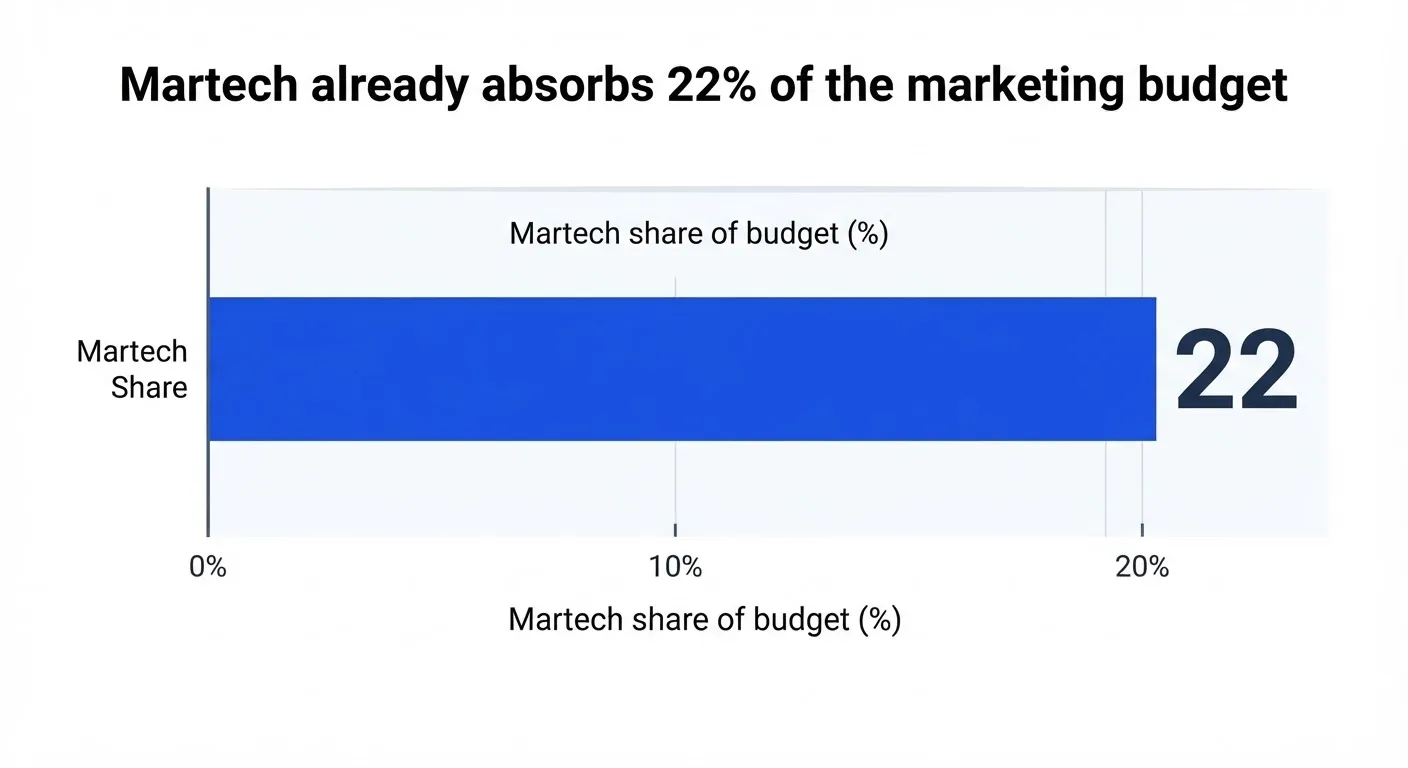
According to Gartner’s marketing technology research, martech now accounts for nearly 22% of total marketing spend. That means every overlapping platform does more than add cost. It competes for attention, training, data, and process ownership.
- Planning lives in one app while briefs get rewritten elsewhere
- Creative moves by copy-paste between research, drafting, and approval tools
- Publishing happens separately from performance tracking and attribution
- Reporting requires cleanup because naming conventions never match perfectly
- Context gets lost every time work jumps systems
Small teams feel this most because they have no spare operator to manage the mess.
When one campaign requires six logins and three exports, the stack is not supporting speed. It is taxing it.
Why Small Teams Fall Behind Faster
Small teams do not fall behind because they lack effort. They fall behind because complexity compounds faster when fewer people carry the work.
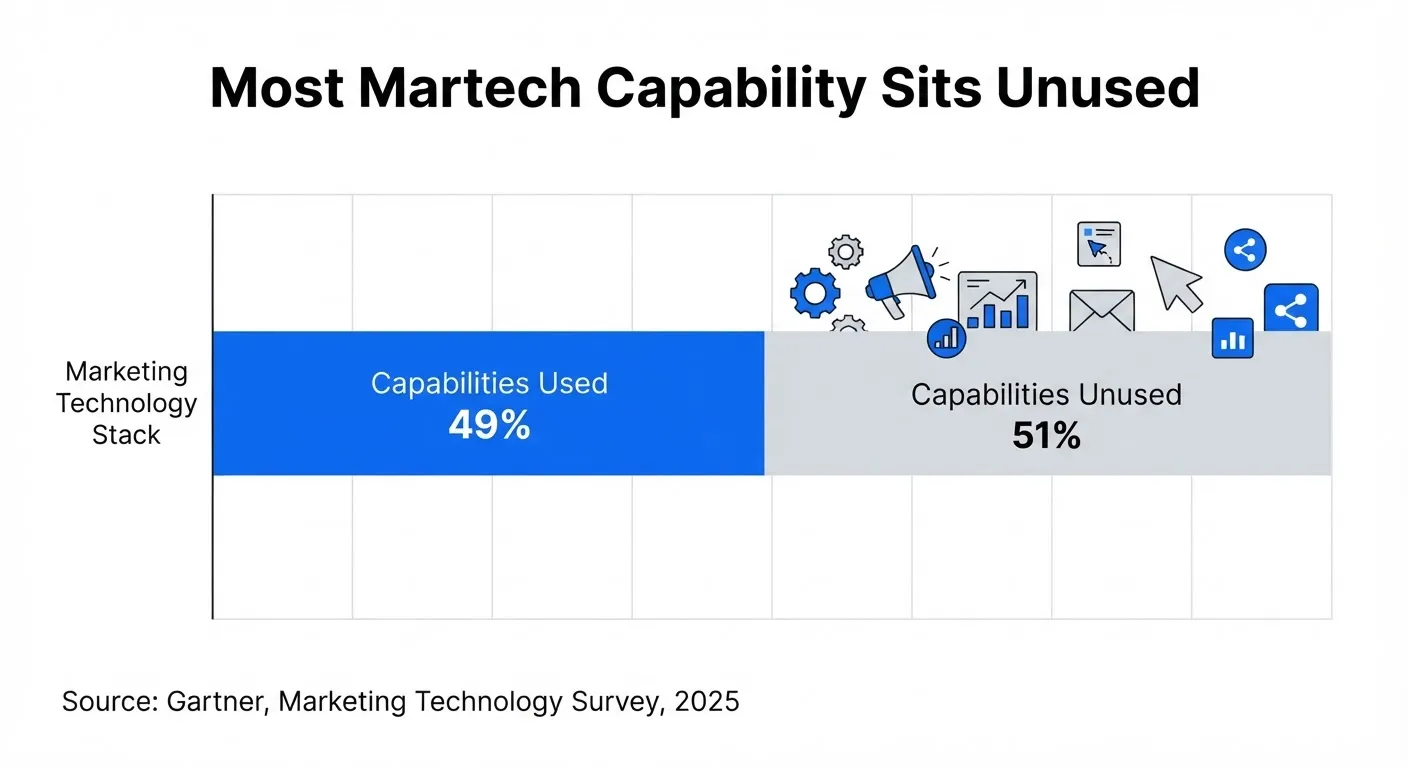
According to Gartner’s marketing technology research, marketers actively use only about half of available martech capability (49%). That is a sharp signal that many teams buy more functionality than they can operationalize.
I have seen this exact pattern in practice: a team uses SEMrush for SEO, SproutSocial for audience signals, Madgicx for paid media, Buffer for scheduling, then bounces between ChatGPT, Gemini, and Claude to finish content. By the time the work is ready, the advantage is gone. Gartner’s 49% utilization figure explains why this is not a discipline problem. It is a workflow design problem.
- Every handoff adds delay even when each tool is good alone
- Every platform has context loss around audience, goals, and performance data
- Every duplicate feature increases training and process confusion
- Every disconnected report slows decisions on what to test next
That gap kills speed long before it kills budget.
Build One System, Not Six Workarounds
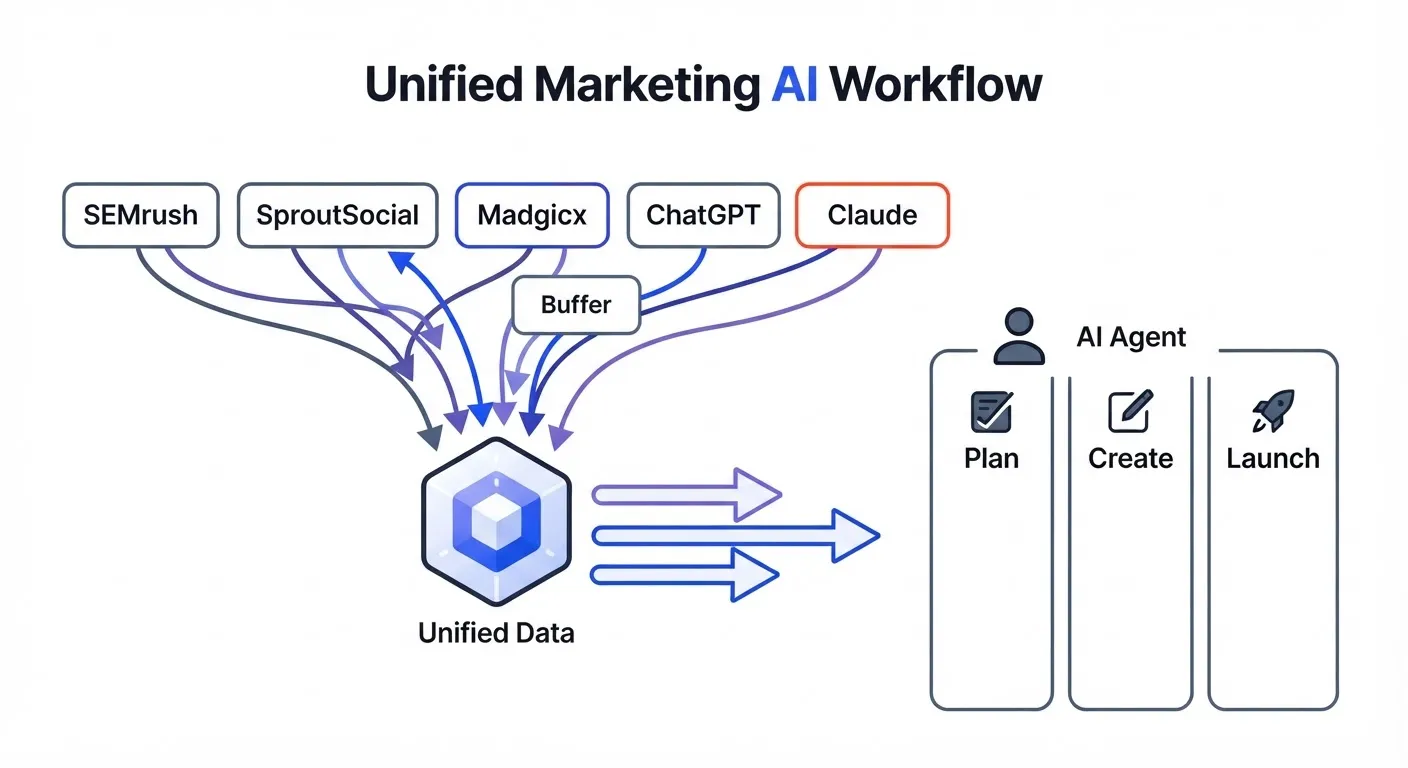
The next question is not which app to add. It is which system can support the whole workflow.
Scout7’s view is straightforward: small teams often stitch together specialist tools because each one solves a narrow job well. The mess starts when one campaign needs all of them to cooperate.
According to Salesforce’s State of Marketing webinar findings, only about 1 in 4 marketers (25%) are satisfied with their customer data unification. That number matters because weak data foundations break the very workflows teams expect AI to improve.
- Unified data keeps research, targeting, content, and reporting aligned
- Shared context lets teams act without re-briefing every system
- Fewer tools reduce switching costs and approval friction
- Integrated workflows make automation reliable instead of brittle
- Agentic marketing workflows need one source of truth to act effectively
Consolidation works best when you unify the data layer first, then the workflow layer on top.
The ROI of Consolidation Shows Up as Speed
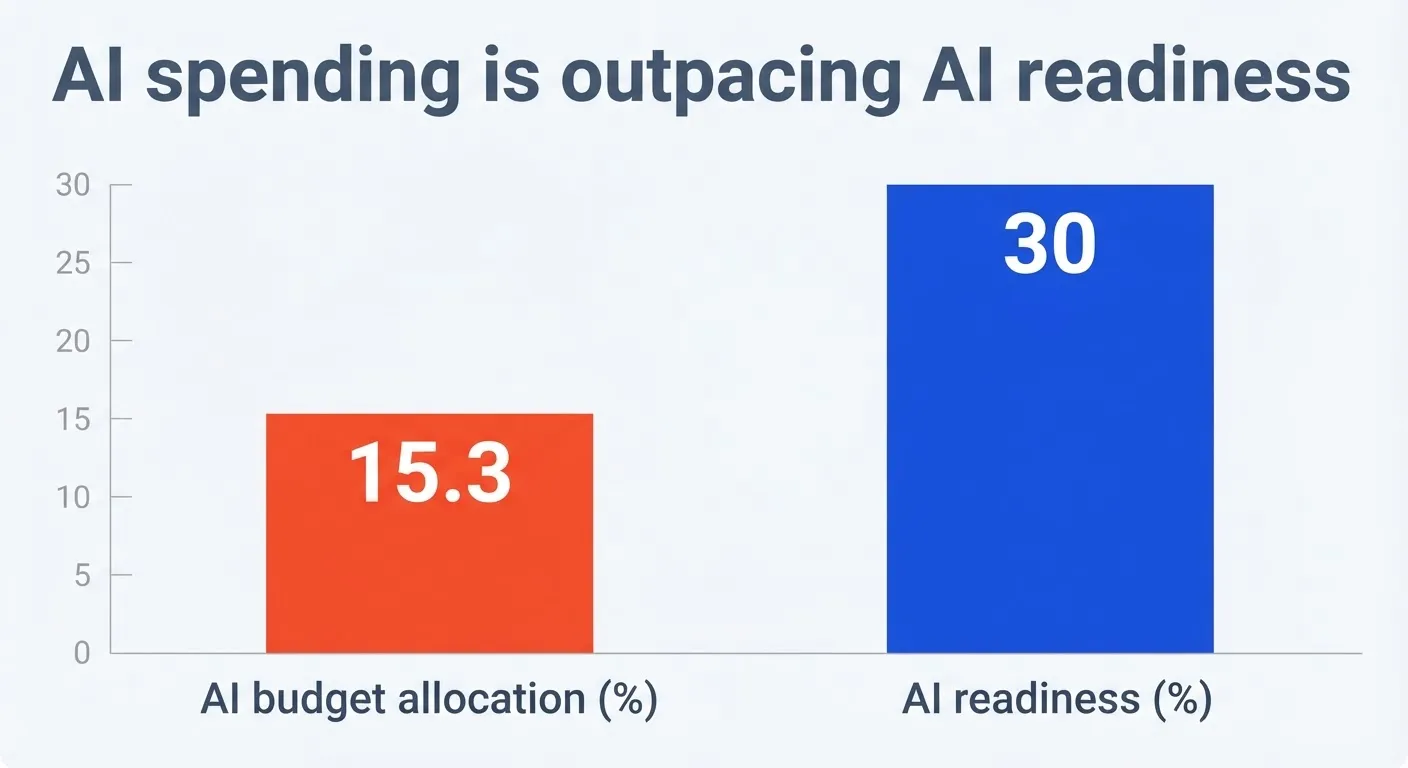
Consolidation changes more than software spend. It changes how quickly your team can learn.
According to Gartner’s 2026 CMO spend survey, CMOs now allocate about 15% of marketing budgets (15.3%) to AI initiatives. Yet only 3 in 10 (30%) report mature or fully developed AI readiness.
That gap says a lot. Teams are funding AI faster than they are fixing the systems AI depends on.
- Fragmented stacks limit AI because agents cannot act across disconnected records
- Unified systems improve ROI by shortening planning-to-launch cycles
- Faster testing loops let small teams learn before larger teams coordinate
- Cleaner data inputs improve content, targeting, and reporting quality
- Less tool friction means more time spent on experiments that move revenue
If agentic execution is the future, consolidation is the operating model that makes it real.
Next Steps for Lean Marketing Teams
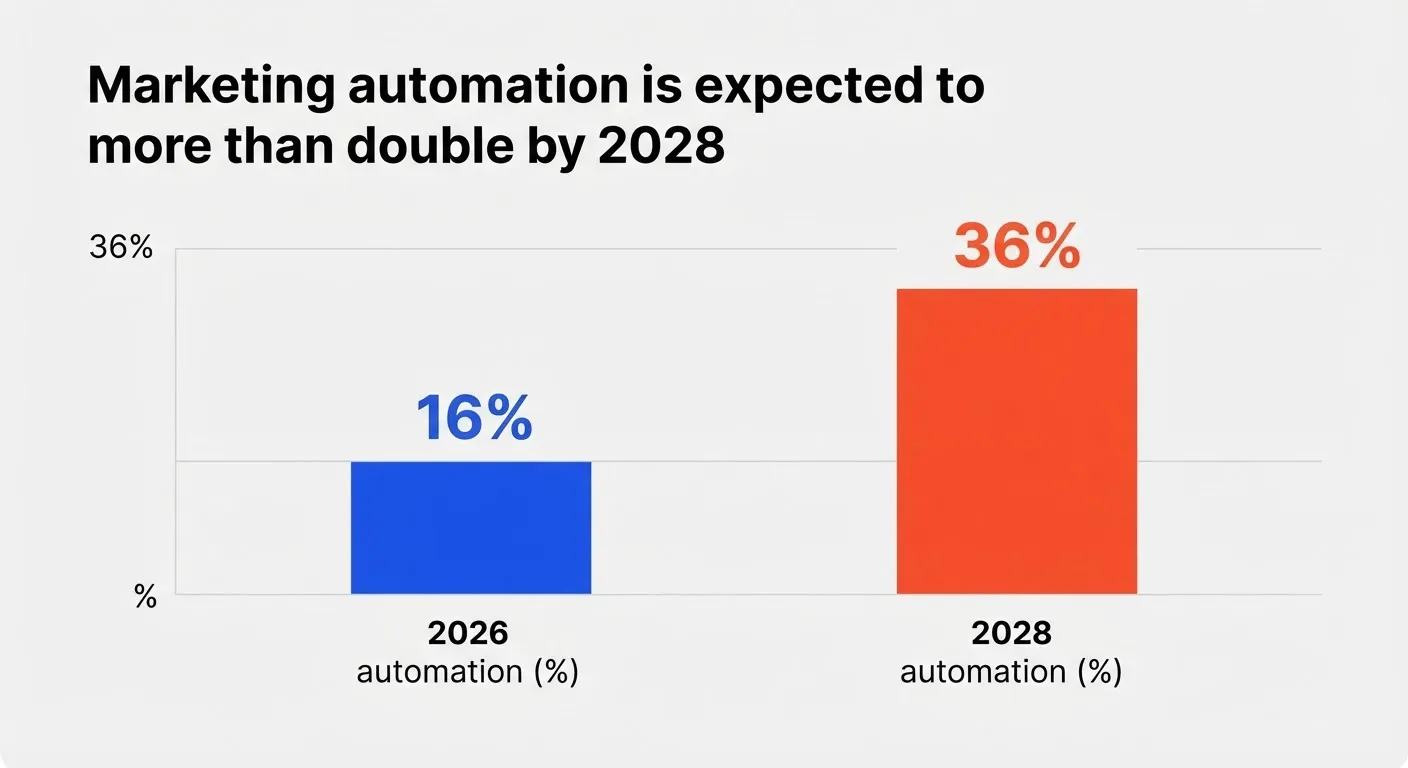
If your team feels busy but slow, start with an audit instead of another subscription.
According to a Gartner survey on AI automation growth, marketing leaders expect AI-driven automation to rise from about 1 in 6 tasks (16%) in 2026 to more than 1 in 3 tasks (36%) by 2028. That shift will reward teams with simpler systems.
Use this quick audit:
- List every platform used for planning, research, creative, publishing, and reporting
- Mark duplicate jobs like scheduling, analytics, keyword research, or copy generation
- Identify data breaks where exports, manual updates, or spreadsheet cleanup happen
- Rank workflow bottlenecks by delay, not just software cost
- Choose consolidation around execution rather than feature checklists alone
The best all in one marketing platform for a small team is the one that removes handoffs and keeps data connected.
The Teams That Win Will Be the Teams That Simplify
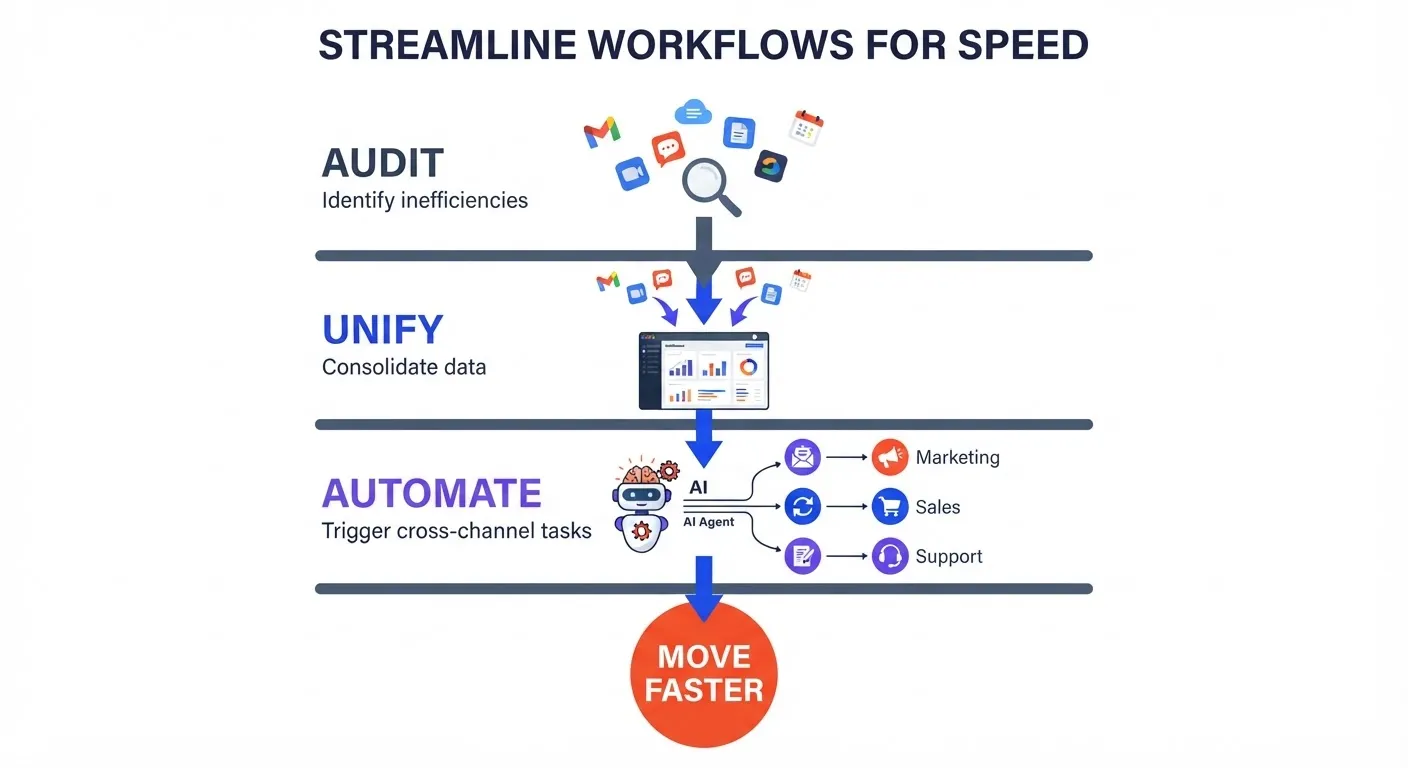
The next advantage in marketing will not come from owning more tools. It will come from owning one system that turns intent into action without friction.
Three points matter most:
- Tool sprawl is a speed problem first because every disconnected step slows campaign execution
- Data unification is the foundation because AI and automation need clean, shared context to work
- Marketing tech stack consolidation gives lean teams leverage by reducing switching costs and duplicate work
The practical takeaway is simple. If your team is patching together point solutions and wondering why output still feels slower than it should, stop evaluating tools one by one and start evaluating the workflow as a whole.
Scout7’s perspective is that the winning model is a single AI-agent layer sitting on top of one connected system, not a dozen fragmented handoffs disguised as a stack. That is how small teams get enterprise-like output without enterprise headcount.
Audit your current stack this week. Cut duplicate tools, centralize the workflow, and prioritize a platform built for agentic marketing workflows. The teams that simplify now will be the ones ready to move faster as AI takes on more of marketing execution.
References
- Gartner Marketing Technology Research
- Salesforce: Inside the 10th Annual State of Marketing Report
- Gartner 2026 CMO Spend Survey Finds CMOs Allocate 15.3% of Marketing Budgets to AI, but Only 30% Are Ready to Scale AI Capabilities
- Gartner Survey Reveals Marketing Leaders Expect AI Automation of Marketing Work to Double to 36% by 2028
Frequently asked questions
Why is tool sprawl such a big problem for small marketing teams?
Small teams feel stack sprawl more because they do not have extra operators to manage handoffs, exports, and cleanup. When one campaign requires multiple logins, disconnected data, and manual coordination, execution slows before software cost even becomes the main issue.
What does the 49% utilization number actually mean?
The article cites Gartner’s finding that marketers actively use only about half of available martech capability. In practice, that suggests many teams are buying more functionality than they can actually operationalize inside real workflows.
How does an all in one marketing platform improve speed?
An all in one marketing platform reduces switching costs, duplicate work, and context loss between systems. It also keeps research, targeting, content, publishing, and reporting closer together so campaigns move from planning to launch faster.
Should teams consolidate tools before investing more in AI?
Yes—the article’s argument is that AI magnifies broken workflows instead of fixing them. If data is fragmented and systems are disconnected, AI agents cannot act reliably across the workflow, which limits ROI and slows execution.